Storm Damage LED Screen Repair
Cape Town winters take out outdoor screens and signage every year. Rain ingress, lightning surges, wind blown debris and flooding all leave the same question: repair or replace? TDX Technologies assesses, cleans and repairs storm damaged LED screens at component level, and helps you document the damage for insurance.
Billboards • Building signage • Stadium screens • Kiosks
First hour matters
The difference between a module repair and a written off screen is usually what happens in the first hour after the storm.
Storm damage we repair
Cape Town winters expose every weakness in an outdoor screen. These are the failures we see most often after a storm.
What to do in the first hour
The first hour after storm damage decides whether the screen is repairable. Do these five things before you touch anything else.
- 1
Isolate the power
Switch the screen off at the DB board or dedicated isolator. Do not just blank it from the media player.
- 2
Do not power a wet screen back on
Repowering a wet screen turns water damage into burnt tracks and cascading module failures. Leave it off until it has been assessed.
- 3
Photograph everything
Wide shots of the screen and site, close ups of the fault, and photos of the surrounding drainage, sealing and cabling.
- 4
Note the timeline
When the storm hit, when the fault appeared, and what the screen was doing in between. This matters for insurance and for diagnosis.
- 5
Send the photos on WhatsApp
We triage from photos and tell you whether to leave it off, dry it out, or book an onsite assessment.
Safety first: if the screen is tripping the supply, sparking, or water is still running off it, keep everyone clear and isolate it at the DB board. Do not attempt to open a cabinet that has been wet and energised.
How we repair storm damage
From photo triage to recommissioning, with documentation you can hand to your insurer.
Photo triage and safety check
We assess the damage from your photos, confirm it is safe to re-energise, and give you a realistic scope before any call out.
Strip down and assessment
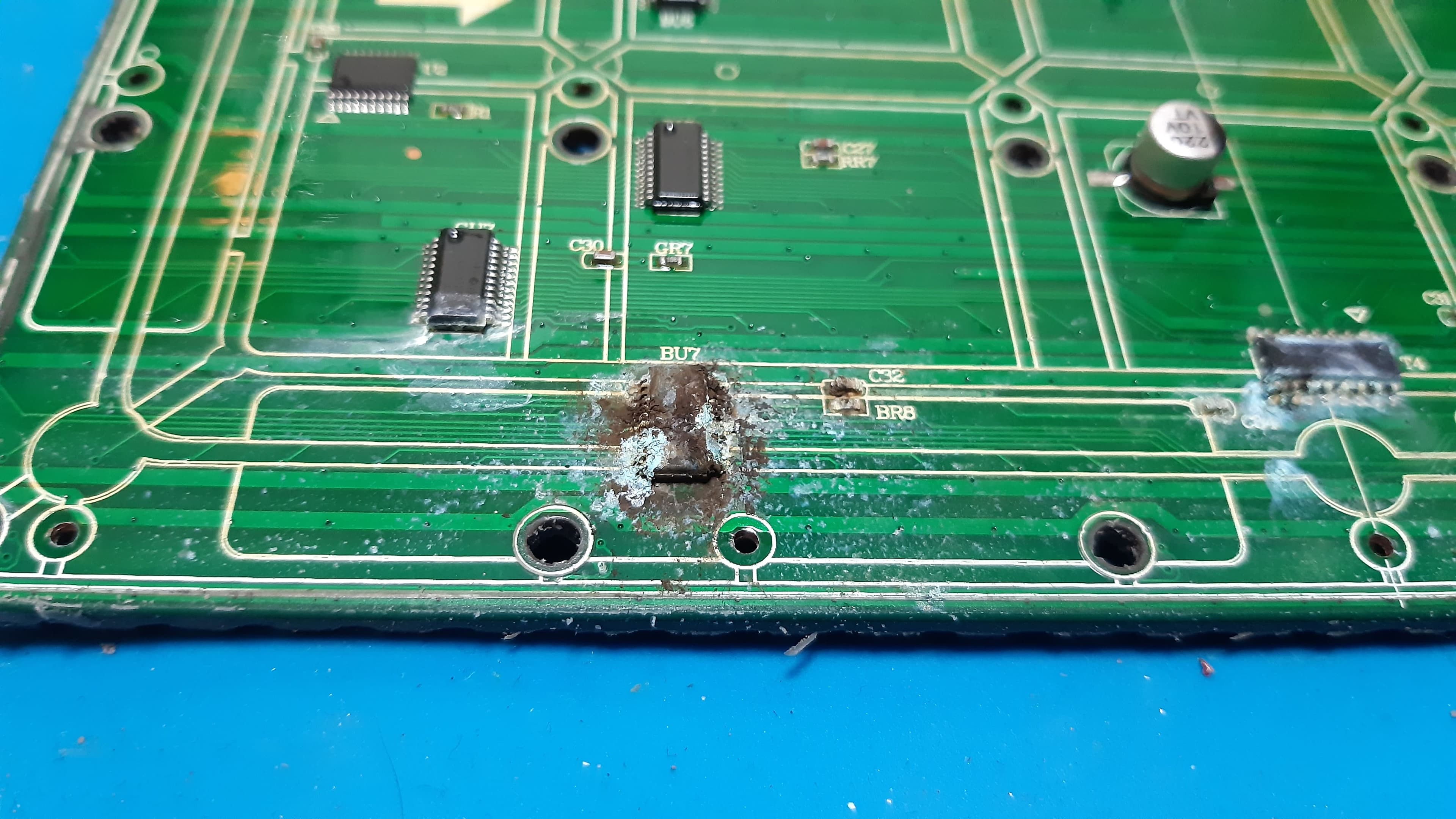
Affected modules, power supplies and cards are opened up and assessed for water entry, corrosion and surge damage.
Cleaning and component repair
Corrosion treatment, board cleaning, track repair and component-level replacement of everything the water or surge reached.
Sealing and prevention checks
Before recommissioning we check drainage, sealing, gaskets and surge protection so the same storm does not claim the screen twice.
Stop the same storm winning twice
Most screens that fail in a winter storm already had a weakness the previous summer: a tired gasket, a blocked drain, no surge protection. We check all of it before we hand the screen back.
- Drainage and weep hole checks before winter
- Gasket, sealing and enclosure integrity checks
- Surge protection on mains and data lines
- Ventilation checks to stop condensation cycles
- A pre winter inspection while faults are still cheap to fix
A structured way to catch these before winter is a LED screen health audit.
Who we help
Anyone responsible for a screen that lives outside in Cape Town weather.
Storm damage repairs from real projects
Water damage and outdoor module repairs we have completed for Cape Town clients.
 Module & Equipment Repair
Cape Town Central Business District
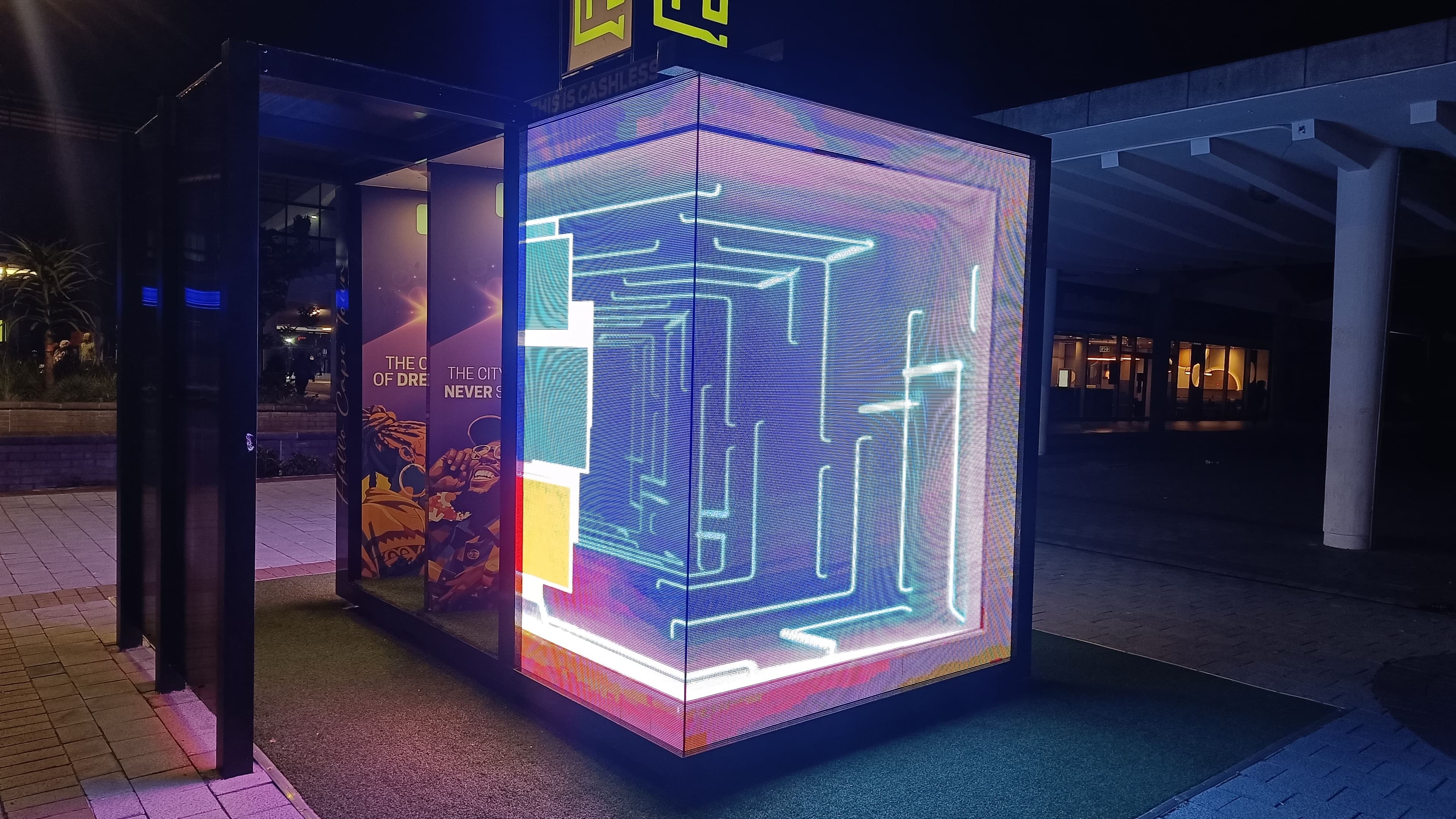
Kiosk LED water damaged module repair - No spare modules available
Read projectModule RepairWater Damage
Water-damaged LED screen due to rain ingress, flooding, condensation and spill damage
Read project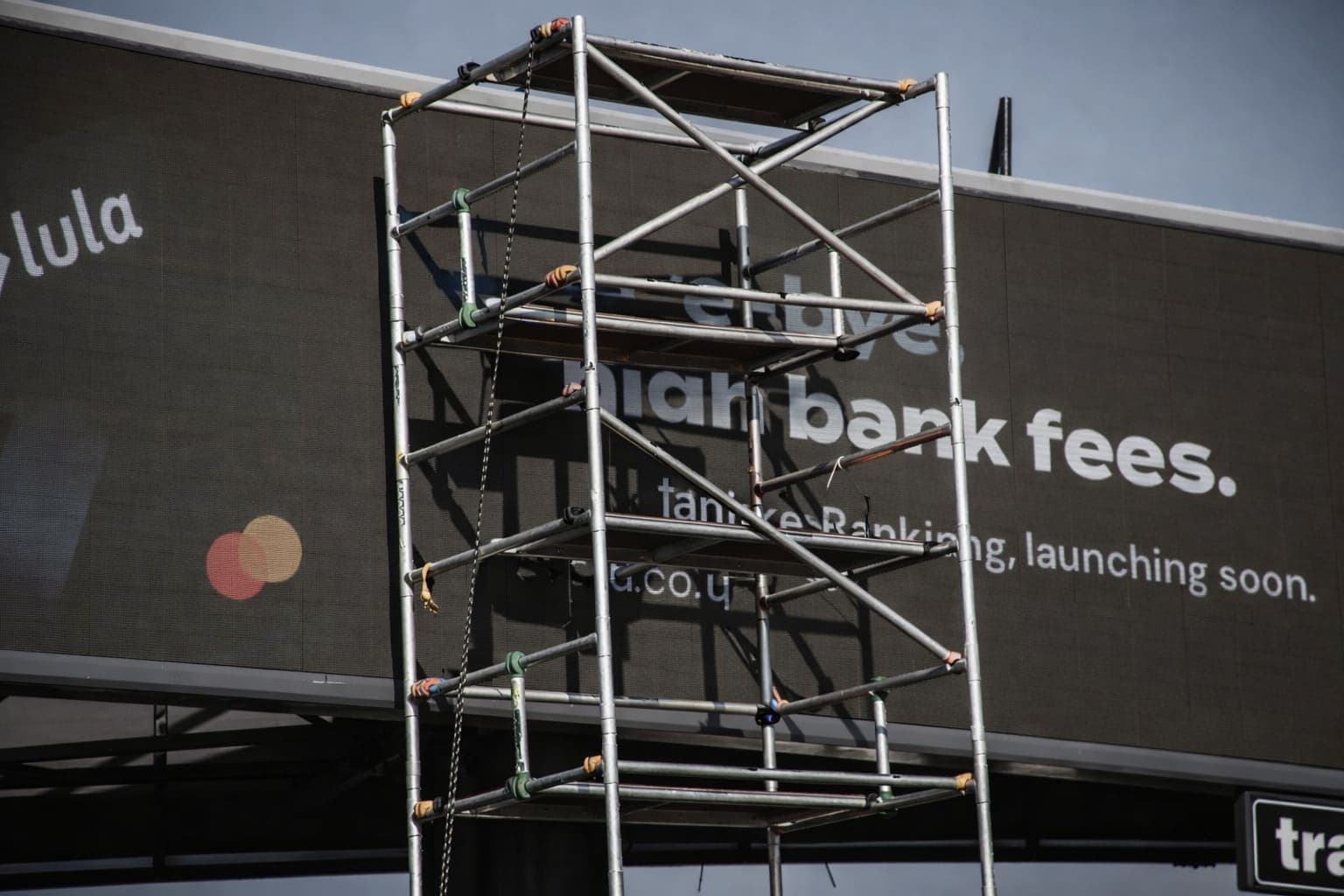 Module Repair
Billboard - LED Module Repair
Module repair and replacement - for billboard in the Western Cape
Read projectStorm damage repair FAQs
Quick answers on water damage, insurance documentation and first steps after a storm.
Can water damaged LED modules be repaired?
Often, yes. We have extensive experience with water damaged modules and equipment. Success depends on how far the water tracked and how quickly the screen was switched off, which is why the first hours after a storm matter most.
What should I do immediately after storm damage?
Switch the screen off at the DB board or isolator, do not power it back on to test it, photograph the screen and the site, note the timeline, and send us the photos on WhatsApp. We will tell you the safe next step.
Do you provide documentation for insurance claims?
Yes. You receive photo triage, a written assessment of the damage and a costed quote for the repairs, which is the documentation insurers typically ask for.
Is it worth repairing a flooded screen, or should it be replaced?
It depends on the extent of water ingress, corrosion and surge damage, and on whether replacement modules are still available for your model. We assess both paths and quote honestly, including when replacement is the better option.
How quickly can you respond after a storm?
Send photos on WhatsApp first. We triage the same day in most cases and advise whether to leave the screen off, dry it out, or book an on-site assessment in Greater Cape Town.
Screen down after a storm?
Send photos of the damage and we will triage it, advise the safe next step, and give you the documentation you need for insurance.
Related services
Further reading: Water damaged LED screen: repair or replace?